Independent research on the cars worth keeping: what they cost to own, how they hold value, and where the market is quietly moving. Public sources only. Assumptions flagged. No advertising, no consignment pressure.
When I sold my last two Ferraris, an FF and a GTC4Lusso, I faced the choice every owner knows. The open classifieds meant test-drive tourists, time-wasters, and the genuine criminal element that circles this market. So I did what a careful owner does: I sold through an official Ferrari dealer. The experience was professional, the people were good, and the same network later helped me find the 488 GTB I drive today.
It also cost me roughly €40,000: the spread between what the cars were worth and what a dealer can pay. That is not an accusation. Dealers carry showrooms, staff, stock risk and warranty obligations; the spread is the honest price of their convenience. But it is a price, and I decided I no longer wanted to pay it, and that the open market was no alternative.
So I built the third option: a quiet room of vetted people who document their cars properly and trade among themselves: discreetly, at a fraction of the cost, to one standard.
I am not selling a service here. I am sharing the standard I built for my own cars: research before opinion, full documentation before any sale, personal vetting before anyone enters, and discretion as the default. If you approach this market the way I do, and you are tired of choosing between the spread and the circus, this room is for you. If not, the research stays public either way.

Model-level market papers, factual model files and pre-purchase inspection checklists: 133 papers, 122 model files and 116 PPI checklists, organised model by model. Every claim sourced, every figure from the public record. Pick a marque.
14 papers · 15 model files · 15 checklists
OPEN →6 papers · 6 model files · 6 checklists
OPEN →23 papers · 24 model files · 24 checklists
OPEN →3 papers · 2 model files · 2 checklists
OPEN →1 papers · 1 model files · 1 checklists
OPEN →15 papers · 12 files & profiles · 10 checklists
OPEN →8 papers · 9 model files · 9 checklists
OPEN →1 papers · 1 model files · 1 checklists
OPEN →12 papers · 15 model files · 15 checklists
OPEN →8 papers · 8 model files · 8 checklists
OPEN →19 papers · 8 files & profiles · 4 checklists
OPEN →18 papers · 17 model files · 17 checklists
OPEN →1 papers · 1 model files · 1 checklists
OPEN →The papers read the market; this section reports from inside it. First-person accounts of buying, owning and walking away, written from the author's own process, with the numbers left in. New reports publish here first, open to everyone.
A report from inside my own buying process: one collector, months of homework, and the fleas that kept jumping.
COLLECTOR'S NOTES No. 01 · PDF ↓Thirty candidates, one survivor, and the inspection that killed it: why the file matters more than the car.
COLLECTOR'S NOTES No. 02 · PDF ↓What nobody tells you before the first one: the costs, the fears, and the parts that are better than the brochure.
PAPER 01 · PDF ↓Ownership, documented: what the four-seat Ferrari actually asked for, year by year.
PAPER 02 · PDF ↓The car I drive today: acquisition, running costs and the decisions underneath.
PAPER 03 · PDF ↓The buying experience itself, reviewed: who answered, who vanished, and what that tells you.
PAPER 04 · PDF ↓The channels, tools and reading worth your time: a maintained list, not an algorithm.
OPEN →Every paper, model file and checklist in this house, wired into one assistant. Ask what a service gap means, what a clutch costs, where a model's risk sits: it answers from the research, in plain language.
Open the TwinModel-level research papers: positioning, production context, transaction signals and depreciation curves, built from public listings and documented methodology.
What these cars actually cost to keep: service intervals, known weak points, parts exposure, insurance logic. The numbers sellers don't volunteer.
Discreet, commission-based introductions between vetted collectors. No listings, no auctions, no public record. Available to members only.
Data first. Blunt over smooth. Public sources only, assumptions flagged in grey. The collector market runs on stories. we publish the numbers underneath them.
Marque Intelligence did not start from nothing. It is a venture of IMP InterMediaPartners, a B2B market-intelligence firm in Wuppertal founded in 1976, a house that spends its working life reading industrial markets for clients who cannot afford to guess where the next move comes from.
That is the same discipline applied here: read the data before the opinion, source every claim, separate what sold from what someone hoped it would. Chemistry, pharma, petfood, automotive: the sectors IMP reads all sit on the same principle the collector market forgets. A market pivot usually announces itself in the numbers long before it shows up in the talk.
I have been inside the Ferrari world since childhood, and inside serious B2B intelligence for nearly three decades. Marque is where those two finally meet: the enthusiast's eye, held to the analyst's standard.
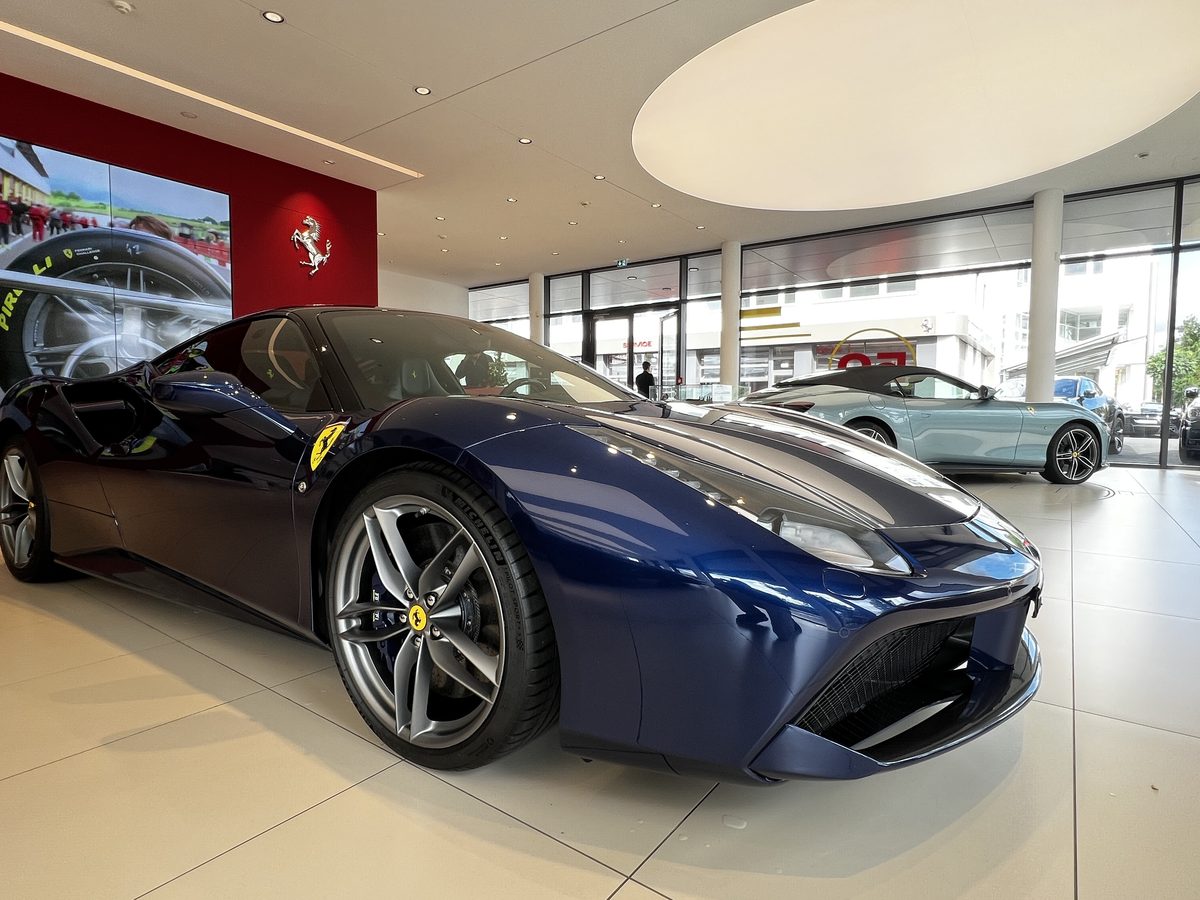
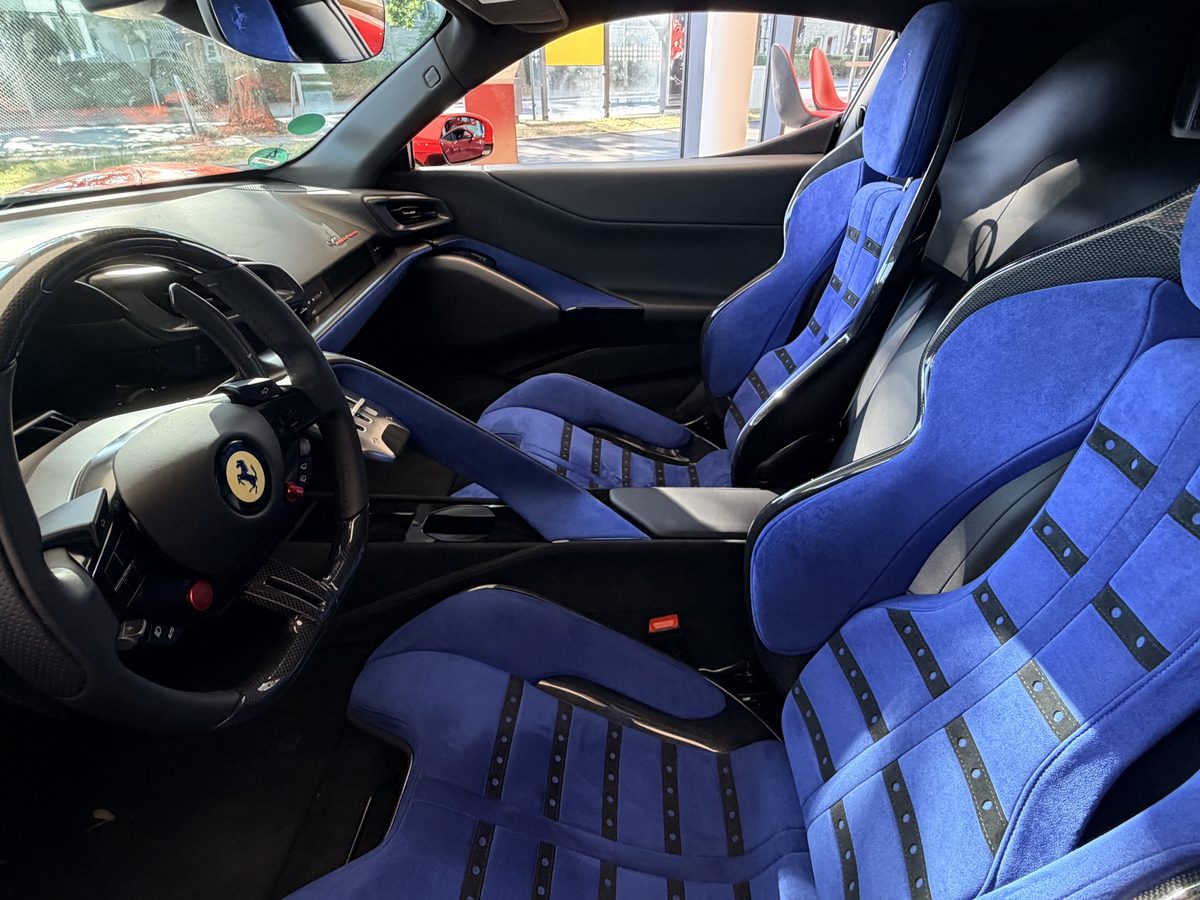
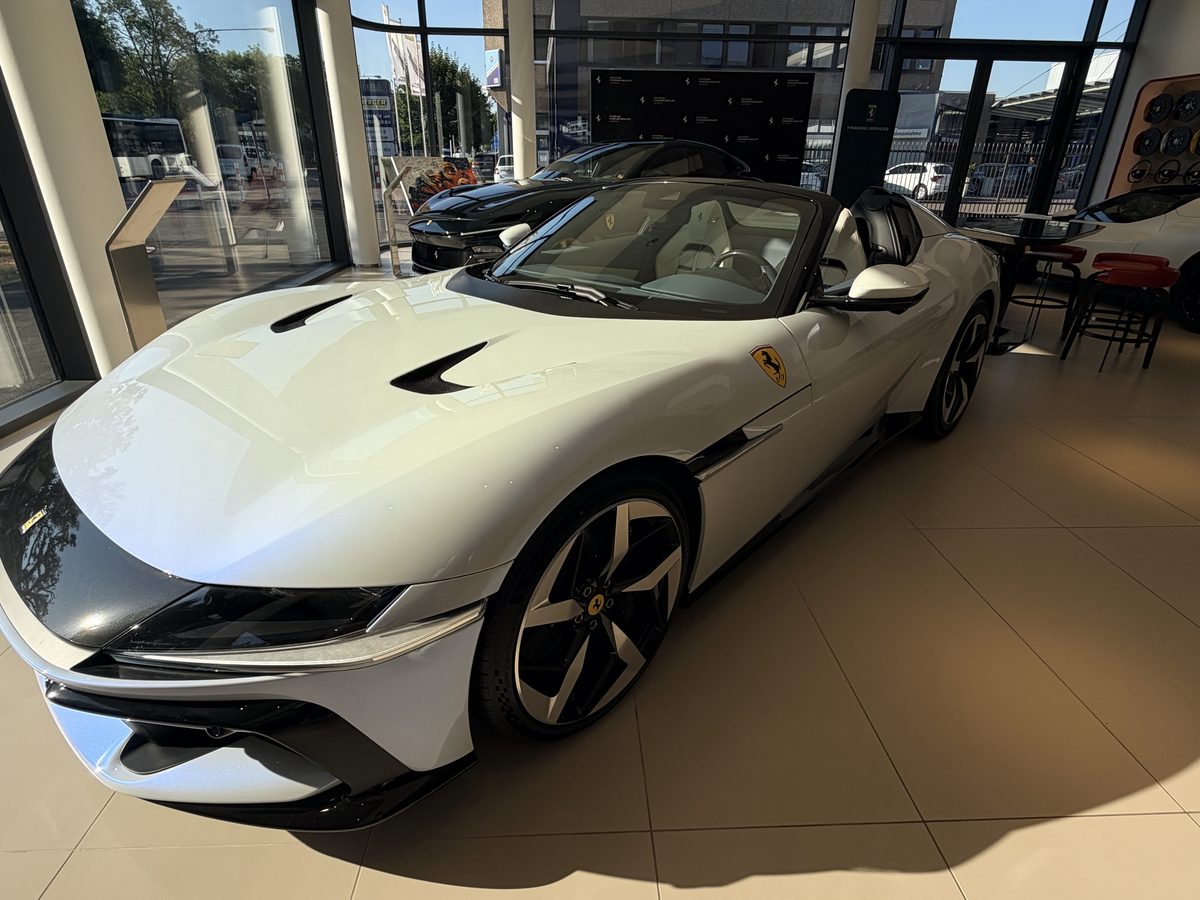
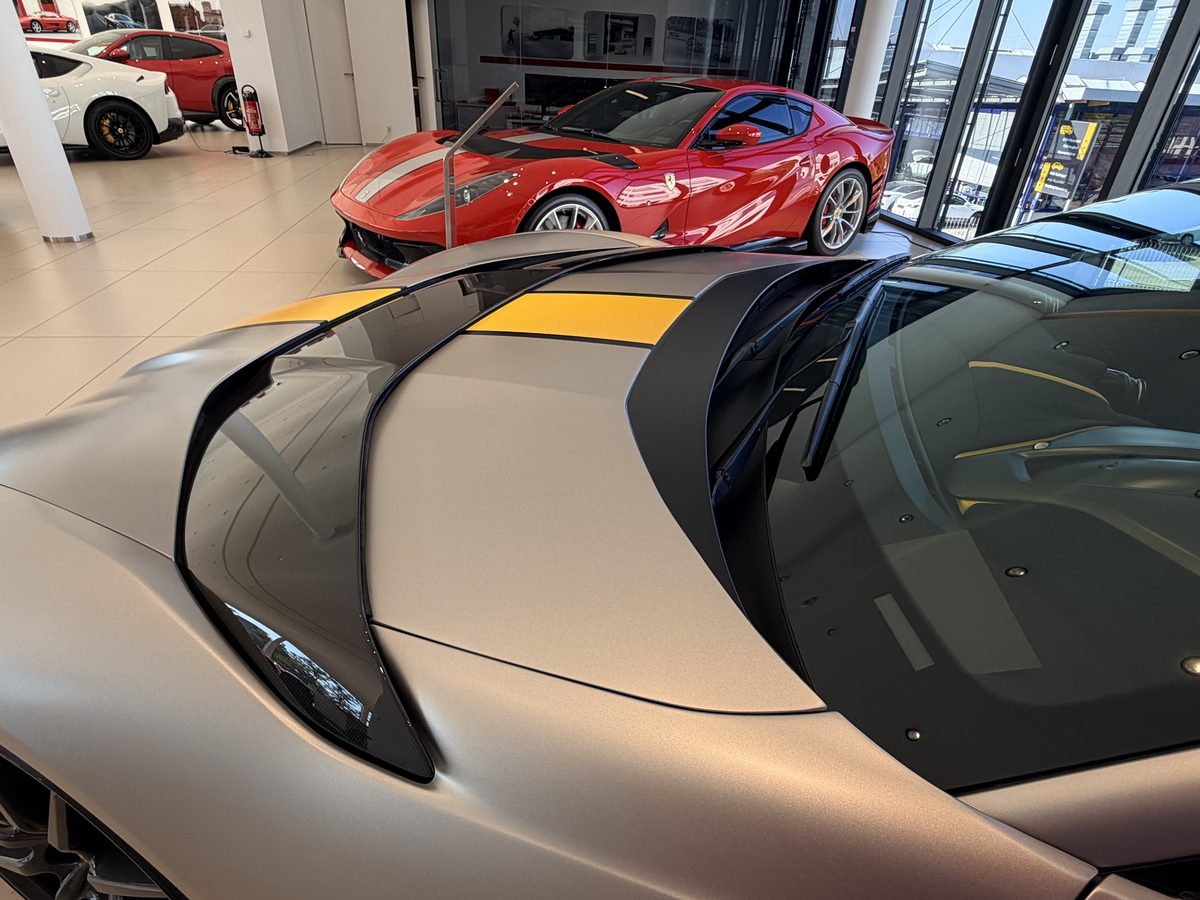
The Ferraris the same network helped me find.
The internet has made contempt cheap. Forums where every honest question is met with scorn; comment sections where strangers speak to each other in ways they never would across a table. We are not importing that culture here.
This house runs on one standard: argue hard about cars, never about people. Disagreement is welcome: it is how good judgment gets made, and our papers invite it. Condescension, ridicule and personal attacks are not. Toward anyone: members, sellers, or the newcomer asking the question you stopped asking twenty years ago.
None of this is a preference, an aspiration, or a code we enforce reluctantly. Inside the Room it is a condition of membership, the same way the vetting is. On the open site it is the price of being answered.
If that reads as strict, we understand. Then this is not your room, and we would genuinely rather you didn't apply. We will always choose a smaller room over a louder one.
The research is open to everyone. The Room is not. Membership is personal, reviewed individually, and deliberately small. Every applicant is vetted: ownership history, references, conduct. No burnout crowd, no flippers, no anonymous accounts.
Members receive the room itself: the vetted circle, direct exchange among documented owners, invitations to curated drives and closed gatherings, and, where appropriate, access to private intermediation. The research is not the product here; the company is.
There is no public price list and no instant checkout. Apply, and we talk first.
The application takes three minutes. It is read by a person, answered by a person, and usually followed by a conversation, and that conversation is the door.
No public price list, no instant checkout. Apply, and we talk first.
Applications are reviewed personally. Expect a reply, not an autoresponder. Your details are used for the review only; see the privacy policy.
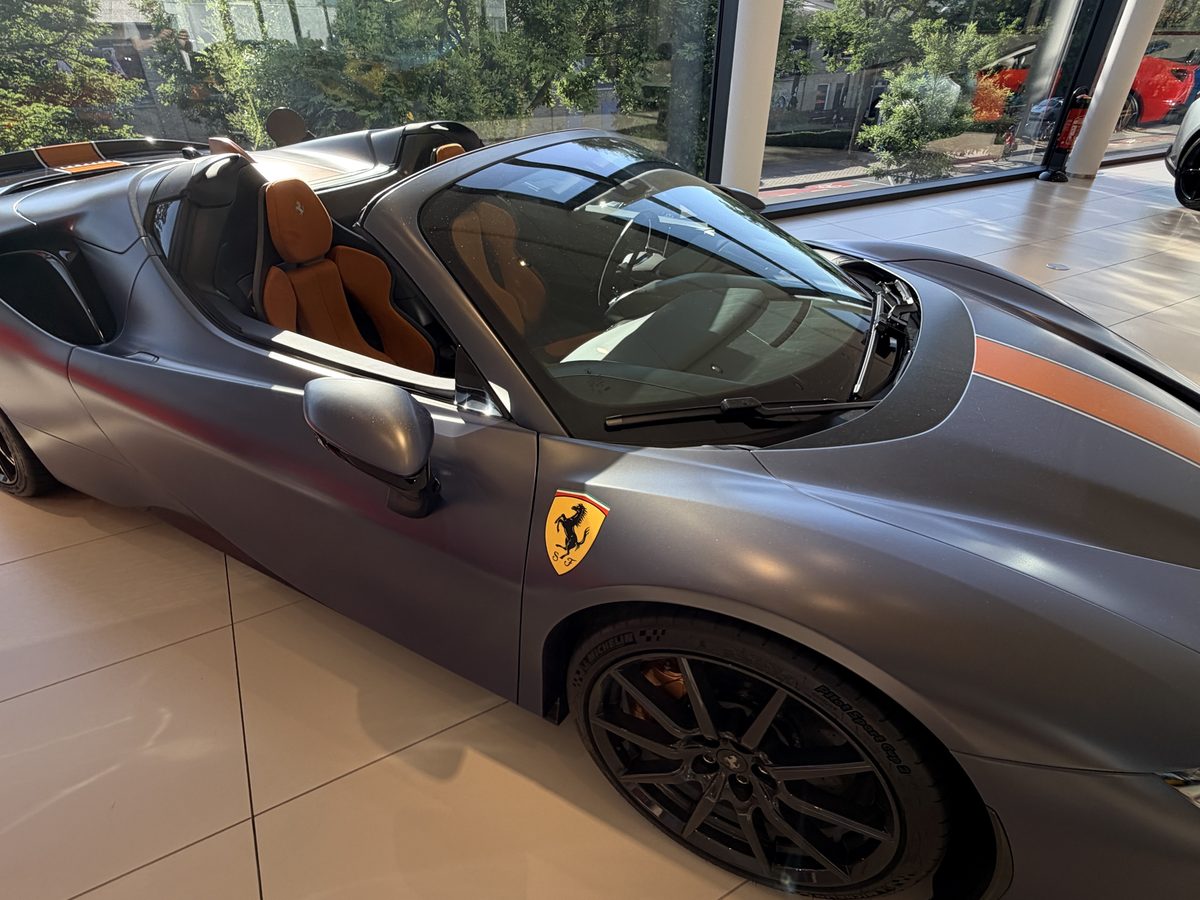
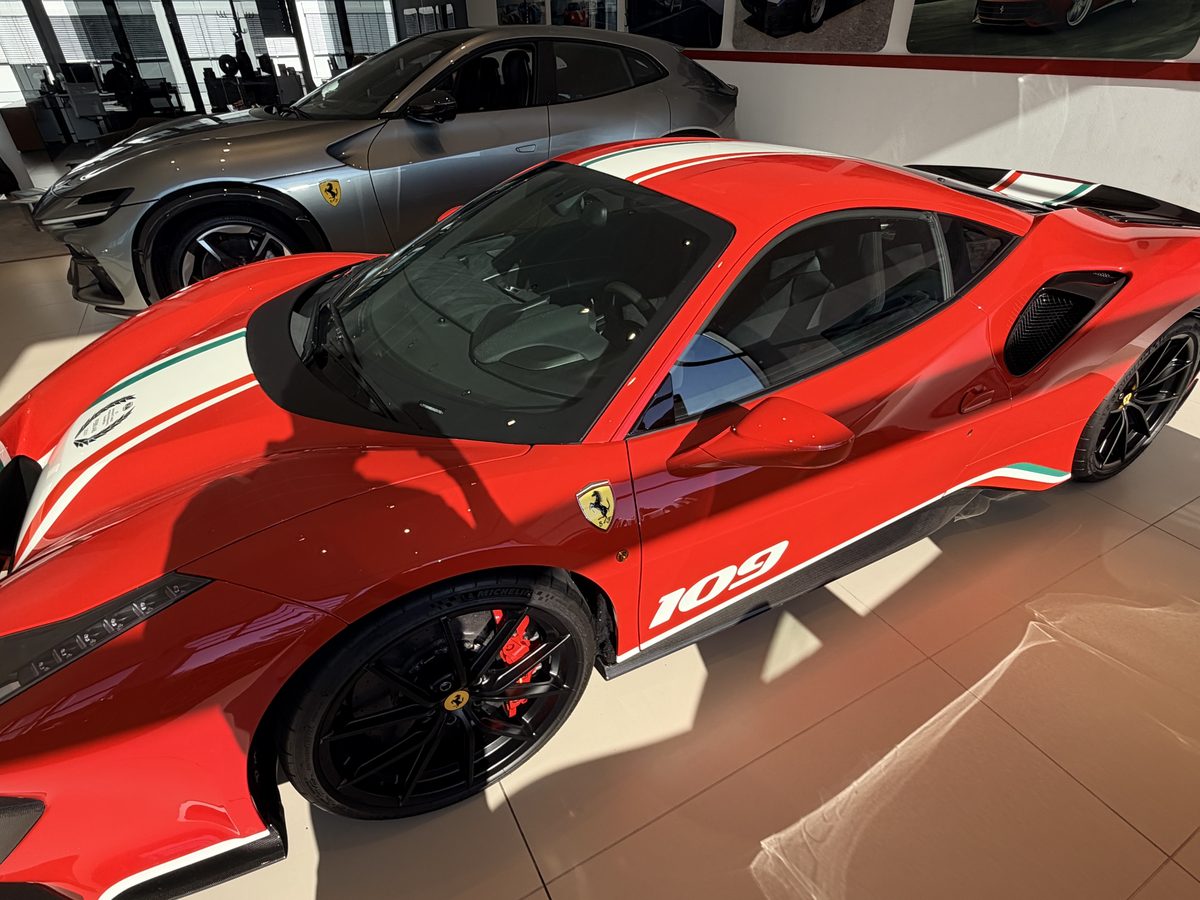
Showroom mornings, details, the cars themselves: a private lens, kept deliberately separate from the dossiers. Unscripted, unaffiliated, on my personal channels.
Angaben gemäß § 5 DDG
IMP InterMediaPartners GmbH
Marienburger Str. 35-37
42277 Wuppertal, Deutschland
Vertreten durch den Geschäftsführer:
Uwe Riemeyer
Telefon: +49 202 271690
E-Mail: hello@marqueintelligence.com
Registergericht: Amtsgericht Wuppertal
Handelsregister: HRB 5775
USt-IdNr.: DE121096580
Verantwortlich i. S. d. § 18 Abs. 2 MStV:
Uwe Riemeyer, Anschrift wie oben
„Marque Intelligence“ ist ein Angebot der IMP InterMediaPartners GmbH. Ferrari und alle genannten Marken sind Eigentum ihrer jeweiligen Inhaber; es besteht keine Verbindung zu den Herstellern oder deren Händlernetzen.